

When planning a trip to Bali, one of the most common questions is: What currency is used in Bali? Can you use other currencies like USD, AUD, or CAD on the island?
Understanding currency in this Indonesian tropical island and how it works is essential for smooth travel. It helps you know how to pay for everything from street food to tipping at your villa. Here’s your complete guide to currency in Bali, Indonesia.
If you’re wondering what Bali money is called, the answer is simple: it's the Indonesian Rupiah, or IDR. You’ll often see the symbol written as “Rp” before the amount in restaurants or supermarkets.
Locals use this Balinese currency for almost every transaction, including shopping, transportation, and food. Some hotels, villas, or luxury services in the island may list prices in USD, but payment is always made in Rupiah.
Locals refer to the money simply as "rupiah" and many bills come in large denominations. For example, Rp 50,000 or Rp 100,000 may sound like a lot, but it's only a few dollars.
Once you land in Ngurah Rai International Airport Denpasar, it’s a good idea to exchange some cash at a money changer, as you’ll need plenty of Bali money in cash form for daily expenses. Especially when you plan to stay in local family villas in Bali, you will need some cash for tipping.
For your trip to the island, you should prepare some cash in different denominations to ensure smooth transactions during your holiday. Here is some information about banknote denominations and value tips.
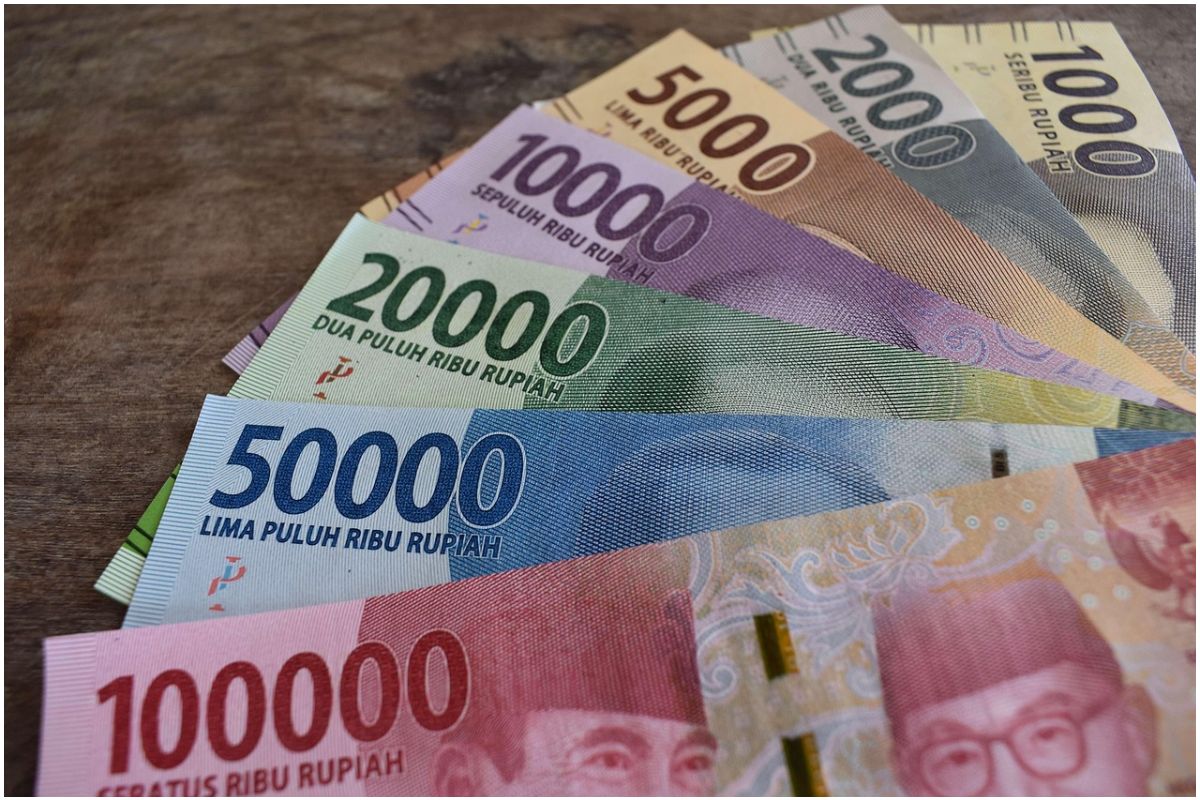
Currency in Bali comes in various denominations, from small coins to large notes. The most commonly used bills are Rp 1,000. Rp 2,000. Rp 5,000. Rp 10,000. Rp 20,000. Rp 50,000. and Rp 100,000.
Most tourists use Rp 50,000 and Rp 100,000 notes for daily expenses like dining, transport, and shopping. Coins are rarely used and are often not accepted for smaller purchases.
Memorizing the color of each note is helpful to avoid confusion, especially since some denominations look similar. If you’re traveling with children and plan to explore things to do in Bali with kids, it’s better to keep some small notes handy for buying snacks or ice cream at local restaurants.
Many areas in the island still rely heavily on cash, even though it’s a popular tourist destination. You can use cards at most hotels, upscale restaurants, and convenience stores, but small local vendors, market’s, and drivers usually only accept Bali money, which is Indonesian Rupiah.
As one of the best places for a family holiday in Asia, they continue to improve their transaction systems through digital options. Today, many vendors, including hotels, villas, restaurant’s, local warung’s, and street food sellers, also accept payments via QRIS (Quick Response Code Indonesian Standard).
This is a digital payment system linked to Indonesian bank accounts. If you don’t have an Indonesian bank account, it’s best to carry more cash, including small denominations, to ensure smooth transactions.
A common scam in Bali involves dishonest vendors pretending that you gave them a smaller bill than you actually did, especially with Rp 100,000 notes. To avoid being short-changed, count your Balinese currency visibly and confirm the total before walking away.
Another red flag is being rushed during a transaction or not receiving a receipt. If you feel uncomfortable or unsure, politely cancel the transaction and look for a more reliable seller. Staying alert is key when handling Bali currency in crowded or tourist-heavy areas.
Digital payments are becoming more popular here. Apps like GoPay, OVO, and QRIS are widely accepted at cafes, restaurants, and shops in tourist areas. These alternatives are especially convenient in urban areas like Seminyak, Ubud, or Canggu.
However, don’t rely on these apps entirely. Many small vendors in remote area’s like Amed, Kintamani, Buleleng, or Nusa Penida may not accept digital payments.
Mobile data issues can also disrupt transaction’s. When exploring this tropical island, the most reliable option is still having enough Indonesian currency in Bali on hand.
There are many places to exchange your Bali money, but it’s important to choose a trustworthy money changer. Always use an authorized one with a proper license displayed, and avoid stalls offering unusually high exchange rates.
These suspicious rates often come with hidden fees, scams, or even counterfeit bills. You can find reliable exchange booths in tourist areas such as Kuta, Seminyak, Ubud, or at the airport.
Hotels also offer currency exchange, although rates may be slightly lower. For the best value and safety, compare rates online first and only exchange what you need.
Bring cash in widely accepted foreign currencies like USD, AUD, or CAD. These are the easiest to exchange and often come with better rates, making it the best currency to take for your tropical holiday.
For your information, currently USD is quite higher than other currencies. USD 1 is worth approximately IDR 16,000 – IDR 16,500.
Meanwhile, CAD 1 is worth around IDR 11,000 – IDR 11,800 and AUD 10 is worth about IDR 100,000 – IDR 105,000. making these currencies practical for conversion. Avoid bringing torn or damaged notes, as many money changers will not accept them.
Keep your exchanged Rupiah in a secure place and avoid carrying large sums in your wallet. Using a money belt or travel pouch is recommended to protect your Bali currency while on the move.
Understanding what currency is used in Bali helps you prepare better for your trip. Carry enough Bali money, exchange it wisely, and use secure payment methods to ensure a safe and enjoyable travel experience.


