

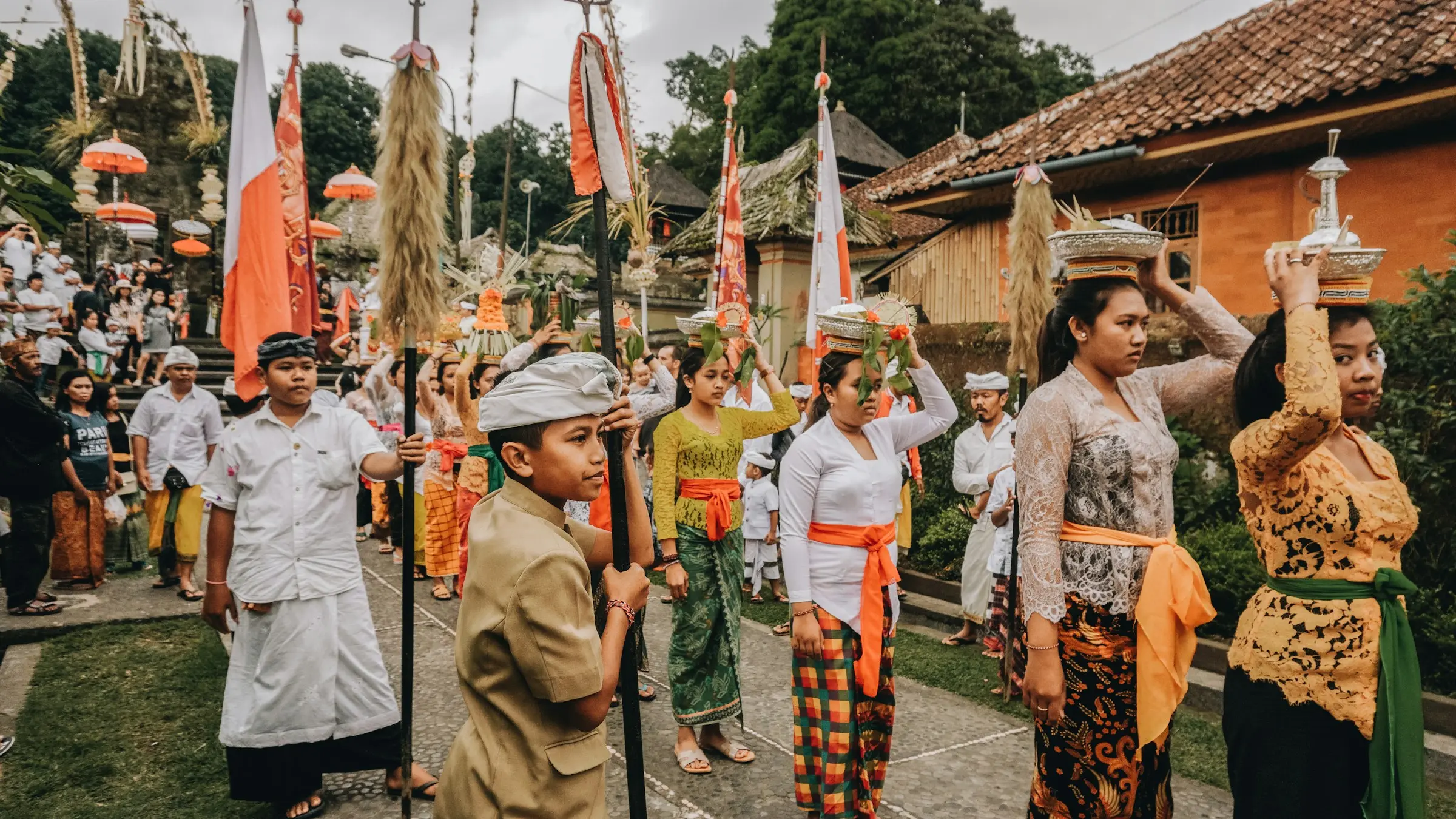
Understanding Bali’s rules for tourists helps you experience a seamless stay on Dewata Island. Bali has strong Hindu traditions, kept alive through daily offerings and temple rituals that honor ancestors.
Knowing what not to do in Bali helps travelers avoid common mistakes, respect local customs, follow scooter rental guidelines, and comply with drug regulations. Follow the rules in this article for a smooth trip.
Rules for tourists in Bali cover dos and don'ts that visitors should follow throughout their stay. From respecting local traditions to complying with rental requirements and drug laws, understanding these rules can help prevent potential issues.
The Bali Provincial Government reinforced rules through Governor’s Circular Letter No. 7 of 2025, which provides guidelines for foreign visitors. These guidelines remain relevant in 2026, covering Bali etiquette, appropriate clothing, transportation, public behavior, and legal obligations.
One of the key rules for tourists is the dress guideline. The rules help tourists stay comfortable in the island’s tropical climate while still respecting local culture and traditions.
Lightweight and breathable clothing works for tourists exploring Ubud, Seminyak, and Canggu. Visitors should dress modestly at temples, while swimwear is generally appropriate at beaches, beach clubs, and resort swimming pools.
Following the What to wear in Bali guidelines allows everyone to dress appropriately in different places on the island. The rules help everyone enjoy the island and keep respecting the local customs and traditions.
Understanding Bali’s laws for tourists is essential for exploring the island respectfully while enjoying its culture, traditions, and natural beauty. Local communities uphold deeply rooted Hindu beliefs and cultural practices, and tourists should respect them.
Bali’s temples are active places of worship, where locals hold ceremonies and rituals. If you want to visit a religious site, follow Bali temple rules, avoid restricted areas, and never climb sacred structures for photos.
Wear modest clothing, including a sarong and traditional sash. This shows respect for the site. Stay out of inner worship areas unless you are permitted to enter.
Visitors to Bali will often come across canang sari, traditional Balinese offerings commonly placed on sidewalks. These small offerings are crafted from woven palm leaves and contain flowers, incense, and symbolic elements representing gratitude and devotion to the divine.
Avoid stepping on, kicking, or moving the offerings. Visitors are encouraged to walk around canang sari offerings and be mindful of where they step, particularly around temples and traditional markets where these offerings are frequently placed.
Bali is known for its everyday manners, as tourists can interact respectfully with local communities. Balinese etiquette generally favors using the right hand to exchange money, gifts, or objects, while using the left hand alone may be perceived as disrespectful.
In Balinese Hindu beliefs, the head is considered a sacred part of the body, so avoid touching someone’s head, including children, without permission. Tourists should avoid raising their voices, displaying aggressive behavior, or arguing publicly to respect everyday manners in Bali.
Taking photos at temples and religious ceremonies is typically permitted in designated visitor areas, but avoid disrupting ceremonies or entering restricted areas. Ask permission before taking photos and avoid using flash during religious ceremonies.
Meanwhile, flying drones must follow rules. Tourists planning to operate drones in Bali should familiarize themselves with flight authorization requirements, altitude restrictions, and designated no-fly zones, particularly around airports and military facilities.
Before exploring the island, make sure to understand things not to do in Bali. Being aware of local customs, religious practices, and regulations is essential for a seamless trip.
Respecting the local customs and traditions makes your trip feel comfortable. You may enjoy a safe and responsible holiday while protecting Bali’s culture, traditions, and natural environment.
Tourist rules in Bali cover more than cultural etiquette, including road regulations, payment practices, and entry requirements. Understanding these guidelines helps travelers rent and ride scooters responsibly while ensuring they have enough cash for entrance fees at certain attractions.
Renting a scooter is a popular option for tourists to explore the island, particularly in areas like Canggu, Seminyak, Ubud, and Uluwatu. Driving a rented scooter requires a valid licence, proper safety equipment, and compliance with Indonesian traffic laws.
These regulations are set out in Bali Governor's Circular Letter No. 7 of 2025. Each foreign tourist must follow local traffic laws, wear helmets, respect road signs, and drive responsibly.
Foreigners must fill out an Indonesian arrival card and are required to pay a tourist levy of IDR 150,000 per person, supporting the preservation of Balinese culture. The levy is separate from Indonesia’s visa fees and applies to international visitors, except those who qualify for official exemptions.
Pay the levy online through the official Love Bali website before arriving or through authorized payment channels during the visit. Foreigners will receive a digital voucher with a QR code, which should be saved and presented when requested at tourist attractions.
Cashless payments are available in Indonesian currency, whether debit, credit, or QRIS. However, carrying a small amount of cash is highly recommended, especially if you visit traditional markets, eat in warungs, and pay parking fees.
Bali’s rules for tourists include alcohol, drugs, and other laws travelers overlook. Understanding these guidelines helps travelers avoid potential issues and ensures a more convenient and enjoyable day exploring Bali.
Even though alcohol is common in Bali, the legal drinking age is 21, and every tourist should drink responsibly and avoid excessive alcohol consumption. Avoid drinking near temples or during religious ceremonies, and keep yourself far from driving a car or scooter while under the influence of alcohol.
Illegal drugs, including marijuana, cocaine, and ecstasy, are strictly prohibited in Indonesia. If you are caught possessing, consuming, distributing, or trafficking illegal drugs If you are caught possessing, consuming, distributing, or trafficking illegal drugs, you face severe penalties, including imprisonment or even the death penalty.
Make sure to bring prescription medications and check Indonesian regulations about banned medications in Bali. Carrying prescription and appropriate medical documentation can help prevent problems at customs.
Bali rules for tourists not married are reinforced under Indonesia’s new Criminal Code, which effectively took effect on January 2, 2026. It states that sexual relations outside marriage and unmarried cohabitation are criminal offences, but, police, hotel staff, and unrelated members of the public can initiate these cases for tourists not married.
Public displays of affection (PDA), such as holding hands or brief hugs, are generally tolerated in tourist areas. However, excessive PDA, such as passionate kissing, intimate behavior, and physical affection, may be considered inappropriate, particularly near religious sites, religious ceremonies, and traditional villages.
If you violate Bali’s regulations, you may face warnings, fines, legal proceedings, deportation, or restrictions on future entry into Indonesia. Bali Governor’s Circular Letter No. 7 of 2026 emphasizes that foreign visitors should respect local customs and Indonesian laws.
Tourists are expected to respect religious traditions, follow instructions from local authorities, and comply with applicable regulations. This helps them avoid unnecessary problems in the future.
Canggu and Seminyak are two vibrant areas of Bali, which are known for their sophisticated neighborhoods. Choosing accommodation in these areas provides convenient access to beaches, beach clubs, and restaurants offering diverse culinary experiences.
Many hotels offer a comfortable base, which is perfect for tourists seeking accessible accommodations in Canggu and Seminyak. Staying in these areas allows travelers to enjoy a variety of activities, including surfing, cafe-hopping, shopping, and relaxing at their hotel.
Understanding and following Bali's rules for tourists helps visitors enjoy the island while showing respect for its cultural values and traditions. Avoiding inappropriate behavior and practicing responsible tourism can make your trip more rewarding.
For a comfortable trip, you may consider several worthy resorts, such as Nara Villa in Pererenan or Kolila Villa near Batu Belig. Both accommodations feature private pools, allowing guests to enjoy a more secluded and intimate stay away from other visitors.
Under Bali Governor's Circular Letter No. 7 of 2025, tourists must respect local traditions, dress appropriately at sacred sites, pay the tourist levy, follow traffic regulations, and protect the environment. Visitors must also avoid illegal drugs, disrespectful behavior, and activities that violate Indonesian laws. These guidelines aim to promote responsible tourism and preserve Bali's cultural heritage.
Yes, tourists can wear shorts in Bali, particularly when visiting beaches, cafes, shopping areas, and other casual destinations. However, visitors should dress modestly when entering temples or attending religious ceremonies. A sarong and sash are commonly required at temples, and visitors should follow the dress codes established by each location.
Yes, unmarried couples can generally stay together in hotels, villas, and resorts in Bali without presenting a marriage certificate. However, Indonesia's Criminal Code, effective January 2, 2026, includes restrictions on sexual relations outside marriage and unmarried cohabitation. These offences are complaint-based, meaning prosecution requires a complaint from an eligible family member.
Yes, foreign tourists visiting Bali are generally required to pay a tourist levy of IDR 150,000 per person, with exemptions for certain categories of visitors. The fee can be paid through the official Love Bali website or authorized payment channels. Visitors should keep their payment confirmation and QR code for verification.
Yes, tourists must have a valid motorcycle driving licence recognized in Indonesia. Foreign visitors generally need an appropriate International Driving Permit (IDP) together with their home-country motorcycle licence, or a valid Indonesian licence. Riders must also wear helmets, obey traffic regulations, and avoid driving under the influence of alcohol or drugs.
Both Canggu and Seminyak offer a wide range of accommodation options, including private pool villas, boutique hotels, and luxury resorts. Canggu is ideal for tourists who enjoy surfing, trendy cafes, beach clubs, and a lively social atmosphere. Meanwhile, Seminyak is a great choice for shopping, upscale restaurants, beachside dining, and convenient access to popular attractions. Travelers can choose accommodation based on their preferred activities, budget, and travel style.