

Learning how local traditions work through a Bali cultural experience is a good way to spend vacation time on the island. From watching Kecak dances to making canang sari and visiting a temple, these activities deepen your knowledge of its culture.
Bali cultural experiences for families are spread across the island, so it is easy to join the activities during the trip. Enjoy fun cultural activities during a family holiday in Bali that will leave you with lifelong memories.
Cultural activities in Bali offer a wonderful opportunity to explore traditions, learn new values, and create memories together. These activities are known for their strong sense of community, colorful ceremonies, and traditional arts.
One option for things to do in Bali with children is to explore cultural activities. The activities teach you and your kids valuable aspects of Balinese culture that emphasize family, respect, and togetherness.
A trip to Bali is more than a family vacation when it combines cultural exploration with enjoyable activities. It is a place where families can explore, learn, and develop a deeper appreciation for the world around them.
If you travel with young children, cultural things to do in Bali should encourage creativity, curiosity, and appreciation for different traditions. These cultural experiences allow children to discover the island’s unique heritage interactively.
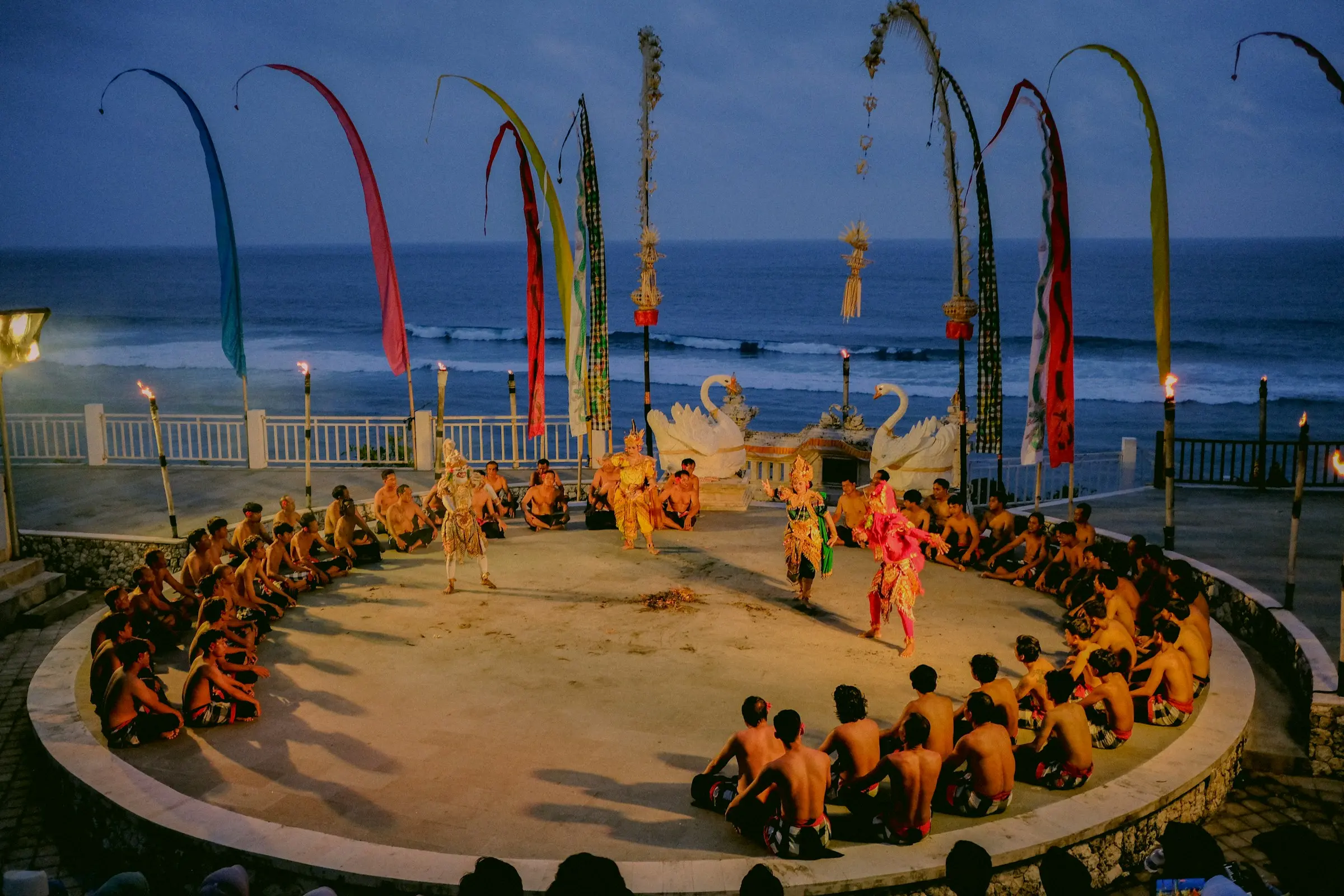
One of the best cultural experiences in Bali is watching a Kecak Fire Dance at sunset. This performance combines rhythmic chanting, expressive movements, and dramatic Ramayana storytelling that captures the whole family’s attention.
One of the most popular places to watch the Kecak Dance is Uluwatu Temple, where performances take place in an open-air amphitheater overlooking the Indian Ocean. As the sun sets, the dramatic coastal scenery adds a beautiful backdrop to the performance.
The Barong Dance is one of the most fascinating cultural experiences for families. This traditional Balinese dance features colorful costumes, lively gamelan music, and expressive storytelling for children to learn Bali’s cultural heritage.
The performance tells the story of Barong, a mythical creature representing goodness and protection, and Rangda, a powerful figure associated with destructive forces. Through dramatic movements and traditional music, the dance illustrates the ongoing balance between good and evil, an important concept in Balinese culture.
Making canang sari offerings is one of the most meaningful parts of Bali’s culture and traditions. The offerings are small and beautifully arranged, yet they hold an important place in Balinese Hindu life, symbolizing gratitude, devotion, and harmony.
Families can find Canang Sari workshops in cultural destinations such as Ubud, where some local communities, cultural centers, and hospitality properties offer traditional Balinese activities. These workshops provide an opportunity to learn directly from local instructors while respectfully experiencing the island's spiritual heritage.
A Balinese cooking class lets families learn to prepare traditional dishes such as sate lilit (minced meat satay), lawar (a traditional vegetable and meat dish), and nasi campur (mixed rice with various side dishes). Some cooking classes begin with a visit to a local market, where you can explore fresh spices, tropical vegetables, and ingredients common in Balinese cooking.
For children, cooking classes offer an opportunity to develop creativity, teamwork, and basic cooking skills while learning about different flavors and culinary traditions. They can participate in mixing ingredients, preparing vegetables, and arranging dishes.
A batik or silver-making class allows you and your children to learn the traditional technique of decorating fabric with wax and colorful dyes. Kids can even experiment with patterns, explore different colors, and create their own batik designs.
Beyond learning traditional artistic techniques, batik and silver-making classes in Bali offer families an opportunity to spend quality time together while supporting local artisans. Best of all, everyone can bring home a handmade creation that serves as a meaningful reminder of their family holiday in Bali.
Mask painting workshops offer a way to learn about traditional Balinese mask designs before decorating your own wooden masks. With guidance from local artisans, you and your family can experiment with different colors and patterns while developing creativity.
Families can connect with local craftsmanship and learn about traditional storytelling. This kids' activity in Seminyak allows them to take home their handmade masks.
In Bali, temples are known as pura and serve as sacred places of worship for Balinese Hindus. Follow Bali temple etiquette by wearing appropriate clothing, including a sarong and a sash tied around the waist.
Visiting a temple, like Uluwatu Temple, with a sarong teaches children a valuable lesson in cultural awareness, respect, and gratitude. It is a meaningful activity that allows you and your family to experience Bali’s living traditions together while gaining a deeper appreciation for the island’s spiritual heritage.
Children can learn basic movements inspired by traditional dances such as Legong and Pendet. Local instructors introduce simple hand gestures, eye movements, and body postures, making this cultural experience fun and accessible for beginners.
Taking a Balinese dance class is more than a fun holiday activity. It introduces children to Bali's rich artistic heritage through movement, music, and storytelling, creating an educational experience they can remember long after their family holiday ends.
Another Bali cultural experience that is unforgettable is walking through the Jatiluwih Rice Terraces, a UNESCO-listed cultural heritage site. Located in Tabanan Regency, it is known for its expansive green rice fields, beautiful mountain scenery, and traditional Balinese agricultural practices, namely subak.
Beyond its scenic beauty, walking through the Jatiluwih Rice Terraces with family offers children a valuable opportunity to connect with nature and understand Bali's agricultural traditions. It is a peaceful outdoor experience that combines cultural learning, gentle exploration, and quality family time away from the island's busier tourist areas.
Ubud Art Market is known for its colorful handicrafts, woven bags, wooden sculptures, traditional paintings, and handmade souvenirs. Walking through the market helps your children explore different textures, colors, and artistic designs while learning how local crafts reflect Balinese culture.
Exploring the Ubud Art Market is more than shopping for souvenirs because it encourages children to appreciate traditional crafts and the artisans who preserve them. It is a meaningful way to combine cultural learning, creativity, and quality family time while supporting Bali’s local artisan communities.
Bali’s kite season runs from June to September, when the dry season brings stronger, more consistent winds. Families may see colorful kites soaring above the rice fields, beaches, and open spaces across the island.
Kite flying is more than a recreational activity in Bali, where it is connected to agricultural traditions and expressions of gratitude for nature’s blessings. Kids can cherish local traditions that celebrate community and creativity, and gratitude for nature.
Ogoh-ogoh are handcrafted figures that typically represent Bhuta Kala, associated with negative or disruptive forces in Balinese Hindu beliefs. Kids can join a tradition that celebrates community and creativity.
Watching the Ogoh-Ogoh parade introduces children to Balinese traditions, community spirit, and the importance of restoring harmony. It is considered a unique experience combining artistic creativity, storytelling, and local heritage for kids to understand Balinese culture.
You and your family will have the most enjoyable experience while learning about Balinese culture if you follow practical tips. These tips offer plenty of opportunities for children to learn about local traditions while creating memorable family holiday moments.
Select activities that match your child's age, interests, and attention span. Younger children may prefer hands-on experiences such as mask painting, offering-making, or dance classes, while older kids might enjoy temple visits and cultural performances.
Introduce children to the meaning behind cultural activities before participating. Simple explanations about Balinese ceremonies, traditional dances, and religious customs can help children understand and appreciate what they experience.
When visiting sacred sites, ensure everyone wears appropriate clothing, including a sarong and sash where required. Teaching children to follow local dress codes encourages respect for Balinese traditions.
Choose cultural workshops that allow children to participate rather than simply observe. Activities such as batik painting, Balinese cooking classes, and traditional crafts can keep kids engaged while developing creativity.
Bali's tropical weather can be challenging for younger children. Schedule outdoor activities in the morning or late afternoon when temperatures are generally more comfortable, and bring drinking water, sunscreen, and hats.
Encourage children to speak politely, follow instructions from local guides, and avoid interrupting religious ceremonies. Always ask permission before photographing people participating in traditional rituals.
Ubud has become the most popular area for families interested in Balinese culture. It is known for traditional arts, lush landscapes, and welcoming local communities that offer convenient access to cultural activities such as Balinese dance classes, temple visits, and cooking workshops.
Seminyak is another good option. You may find many workshops that allow children to explore Balinese cultural activities, enhancing their knowledge about the local traditions.
The best place to stay in Bali for a cultural trip should be somewhere that balances accessibility, comfort, and opportunities to experience local traditions. In the right accommodation, you and your family can spend your days exploring Bali’s cultural heritage and return to a relaxing space.
For a convenient base, you can stay at La Mira Villa with one-, two-, and three-bedroom villas in Seminyak. Each villa has a private pool with a waterslide, which is a feature that your kids may love after a day out.
Bali offers many kid-friendly cultural activities, including Balinese dance classes, batik painting, traditional mask painting, Canang Sari offering-making, and family cooking workshops. Children can also watch traditional performances such as the Kecak and Barong dances, explore craft villages, or visit rice terraces to learn about Balinese farming traditions.
Yes, children can visit many temples in Bali as long as they follow local rules and respect religious customs. Popular family-friendly temples include Tirta Empul Temple, Taman Ayun Temple, and Uluwatu Temple. Parents should supervise their children, explain basic temple etiquette, and follow instructions from temple staff, as some sacred areas are reserved for worshippers.
Families visiting Balinese temples should wear modest clothing, typically including a sarong and a sash tied around the waist. Both adults and children should follow the temple's dress requirements, keep their shoulders appropriately covered, and avoid overly revealing outfits. Some temples provide sarongs for visitors, but bringing your own can make the experience more convenient.
Families can watch traditional Balinese dance performances in several popular locations. Uluwatu Temple is famous for its sunset Kecak Fire Dance, while Batubulan Village in Gianyar is well known for Barong Dance performances. Ubud also offers traditional Legong and other Balinese dance performances at cultural venues, including Ubud Palace. Families should check performance schedules and book tickets in advance when necessary.